
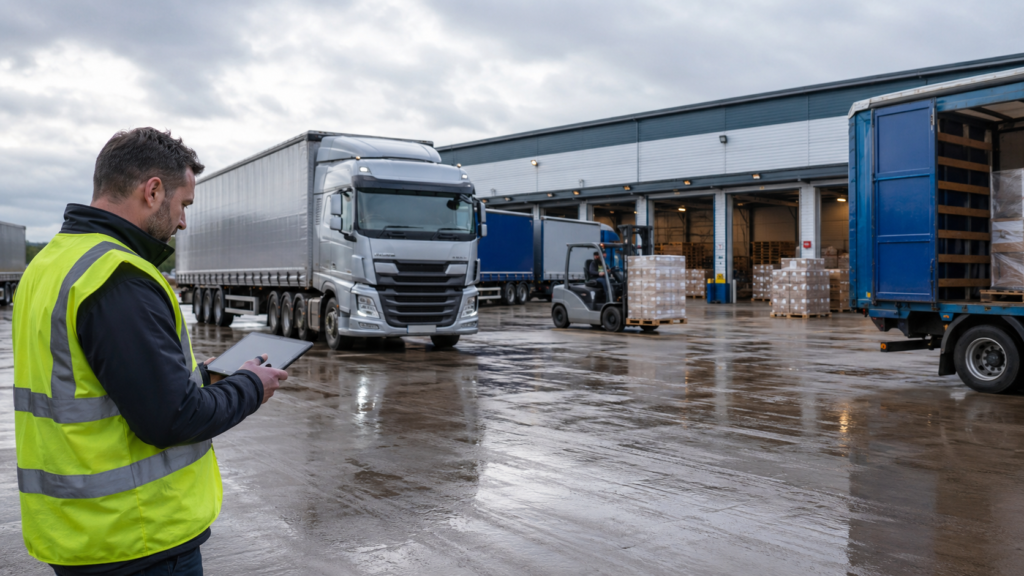
Almost everything around you the food in the shops, the parts in a factory, the materials on a building site reached its destination by road at some point. Transport and haulage are the quiet backbone of the UK economy, keeping goods moving between suppliers, businesses and customers every single day.
But “haulage” isn’t one single service. It covers a whole range of ways to move goods by road, each suited to different loads and needs. Whether you’re a business arranging transport for the first time or comparing providers, this guide explains what transport and road haulage services are, the types available, and how to choose the right transport company.
What are transport and haulage services?
Transport and haulage services involve moving goods by road, usually in bulk, on behalf of businesses. A haulage company (or transport company) provides the vehicles, drivers and planning needed to collect goods from one location and deliver them to another reliably, safely and on time.
It’s a service used across virtually every industry, from manufacturers and wholesalers to retailers, construction firms and importers. Some businesses need regular, scheduled transport; others need occasional or one-off moves. In each case, a good haulier takes the complexity of moving goods off your hands.
Types of haulage services
The right service depends on what you’re moving and how much of it. The main types include:
Full load (FTL) haulage. An entire vehicle is dedicated to your goods, travelling directly from collection to delivery. This is the fastest, most secure option for larger consignments that fill a lorry.
Part load and groupage. For smaller consignments, your goods share vehicle space with other shipments heading the same way. It’s a cost-effective option when you don’t need a full lorry.
Palletised freight. Goods stacked and secured on pallets are moved efficiently through distribution networks, ideal for regular, standardised consignments. You can read more in our guide to pallet delivery services.
Containerised haulage. Moving shipping containers to and from ports, terminals and premises, often as part of an import or export journey.
Specialist and abnormal loads. Oversized, heavy or awkward items that need particular equipment, planning and, sometimes, special permits.
Temperature-controlled transport. Refrigerated vehicles for goods that must be kept chilled or frozen in transit, such as food and pharmaceuticals.
Dangerous goods (ADR) transport. The movement of hazardous materials, which by law must be handled by carriers with the correct ADR accreditation, training and equipment.
The vehicles used in road haulage
Haulage relies on a range of vehicles matched to the size of the job from vans and 7.5-tonne lorries for smaller or urban deliveries, through 18-tonne rigids, up to articulated lorries carrying loads of up to 44 tonnes. A well-equipped transport company runs a mixed fleet, so it can send exactly the right vehicle for each consignment rather than forcing a job to fit the wrong one.
How road haulage works
Behind a smooth delivery sits a well-organised process. A transport company collects your goods, plans efficient routes and loads using transport management technology, moves the consignment, often through a network of depots for wider reach and delivers it, capturing proof of delivery at the end. Modern operators offer real-time tracking, so you can see exactly where your goods are from collection through to their final destination.
How to choose a transport company
Not all hauliers are equal, and the right partner makes all the difference. When comparing transport companies, look for:
- The right coverage. Check they reliably serve the areas you need, regionally and nationally.
- A suitable fleet. A varied, well-maintained fleet means the right vehicle for every job.
- Proper compliance. A goods vehicle operator must hold a valid Operator’s Licence, and specialist work such as dangerous goods requires the relevant ADR accreditation.
- Accreditations and network membership. Recognised standards and membership of established distribution networks are strong signs of reliability and reach.
- Tracking and communication. Real-time visibility and a responsive team keep you informed and in control.
- Experience and reputation. A long track record and genuine customer relationships are the clearest markers of a haulier you can depend on.
How Hacklings can help
With over 60 years in the industry, Hacklings is a trusted, family-run transport and haulage company moving goods safely and reliably across the UK. From our distribution centres in Bourton-on-the-Water and Swindon, we run a modern, varied fleet backed by real-time tracking and decades of expertise handling everything from full and part loads to palletised freight and specialist consignments.
Whether you need a haulage and transport company in Gloucestershire or a road haulage company in Wiltshire, our team delivers dependable service tailored to your business. Get in touch to discuss your transport needs and request a quote.
FAQs
-
What is a haulage company?
A haulage company transports goods by road on behalf of businesses, providing the vehicles, drivers and planning to collect and deliver consignments reliably. Services range from full and part loads to palletised, containerised and specialist freight
-
What is the difference between transport and logistics?
Transport (or haulage) refers specifically to moving goods from one place to another by road. Logistics is broader, covering the whole process of storing, handling and moving goods including warehousing, inventory management and distribution, of which transport is one part.
-
What should I look for in a transport company?
Look for suitable coverage, a well-maintained and varied fleet, proper compliance such as a valid Operator's Licence, relevant accreditations, real-time tracking, and a strong track record. Matching the haulier's strengths to your type of goods is key.